






Planning leather design: How designers combine colors, textures & materials
A successful leather project rarely begins with cutting – but rather with a clear vision of color , surface , and feel . Whether for fashion, accessories, interior design, or custom-made pieces: those who plan their leather design carefully save time and money later and avoid typical mistakes (e.g., the wrong gloss level, a finish that's "too smooth," or a color that looks completely different in real light).
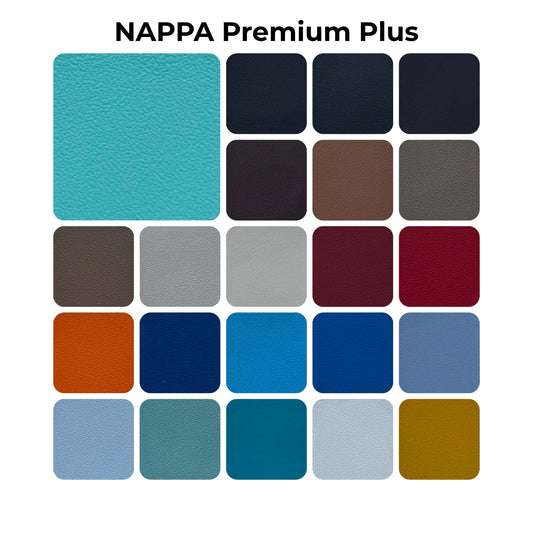
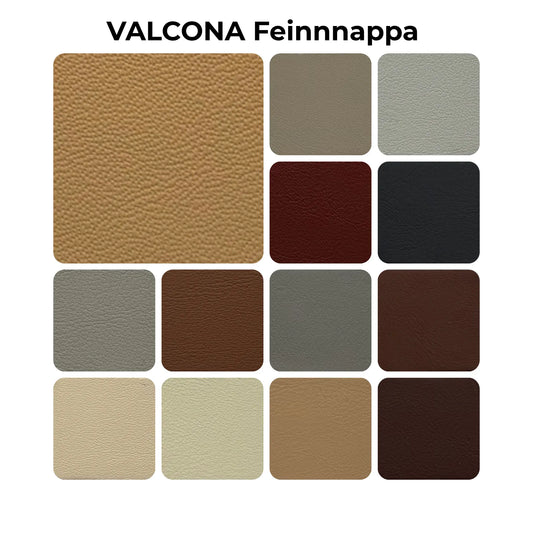
Many creatives use visual collections and mood boards (e.g., on Pinterest) to organize styles, color schemes, and material combinations. However, it's crucial to check the actual effect of the material in person – because screen colors and real leather surfaces behave very differently in light, shadow, and everyday use.
Our Pinterest profile: https://www.pinterest.com/lederklaushh/
1) Color is not just color: light, environment, contrast
The surroundings play a huge role with leather. A warm brown looks elegant and calming in a studio – in daylight it can appear significantly more reddish. A rule of thumb from practical experience:
- Always test in two types of light: daylight + warm artificial light
- Test contrasts: Hold leather next to fabric, metal, wood or lacquer
- Unity vs. accent: Tone-on-tone looks calmer, contrast looks more modern.
2) Texture & Surface: Grain, Embossing, Gloss Level
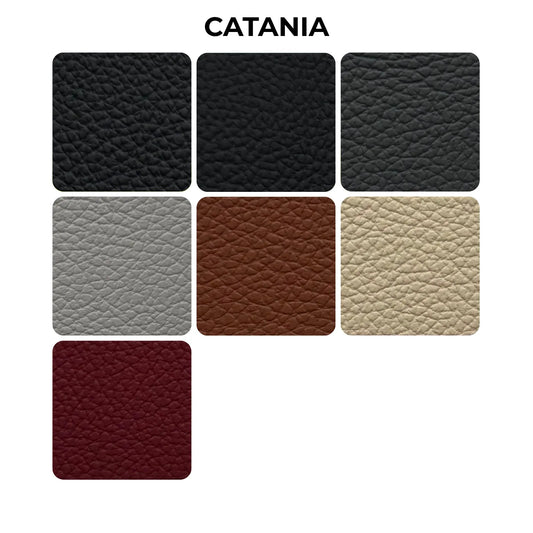
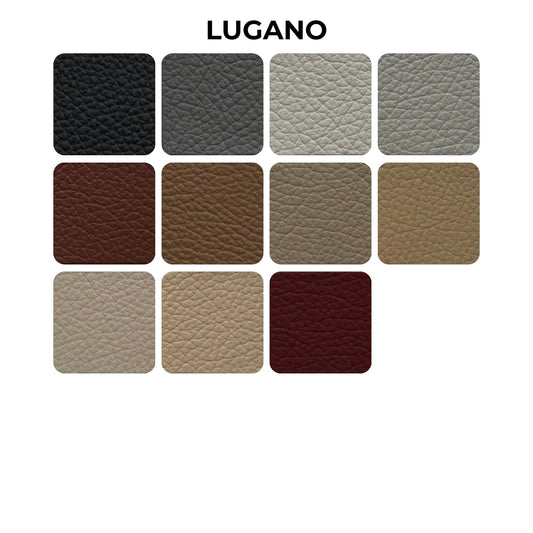
"Looks good" is the starting point – but design often hinges on details: grain (fine or pronounced), finish (matte, satin, slightly glossy), and surface feel (tactile, soft, firm). Especially with fashion and design objects, this influences the overall impression: minimalist, sporty, luxurious, or deliberately "raw."
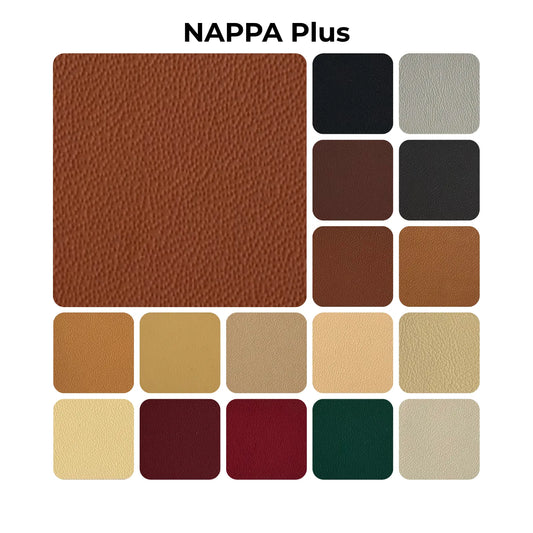
Important: A smooth, fine nappa leather will show seams and edges differently than embossed leather. Those who work with high-quality materials decide this early on – before the cut, thread, and hardware are finalized.
3) From mood board to plan: How to create a feasible leather design
A good mood board is not just inspiration, but also a decision-making aid . Here's how to make it practical:
- Define 3-5 key colors (main tone + 1-2 accents + neutral base)
- Define 2 surface finishes (e.g. matte & textured vs. smooth & elegant)
- Note down material rules : soft/firm, robust/elegant, easy-care/natural
- Match hardware/details : zipper, buttons, sewing thread, piping
4) Why patterns are crucial
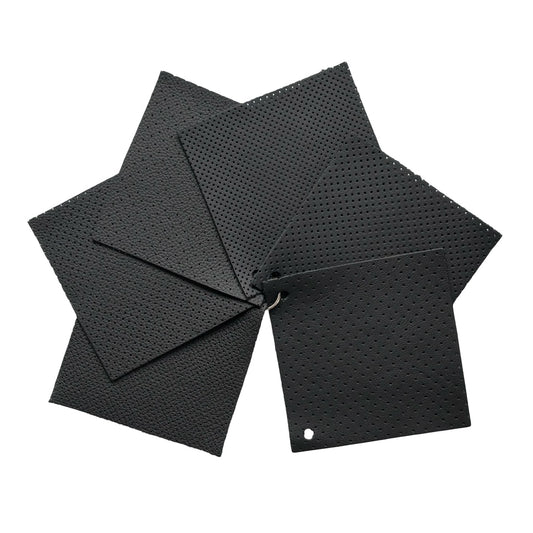
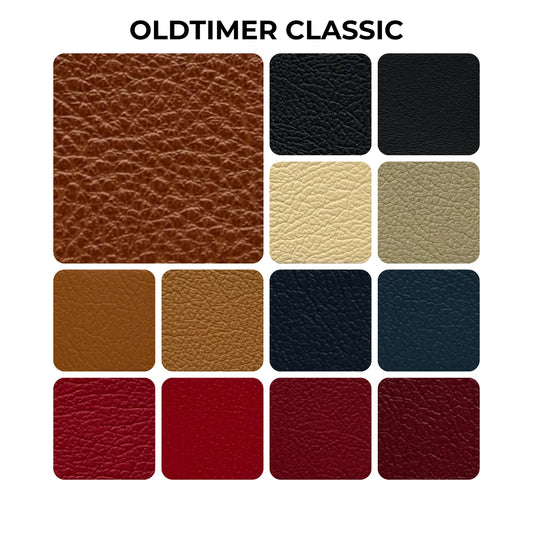
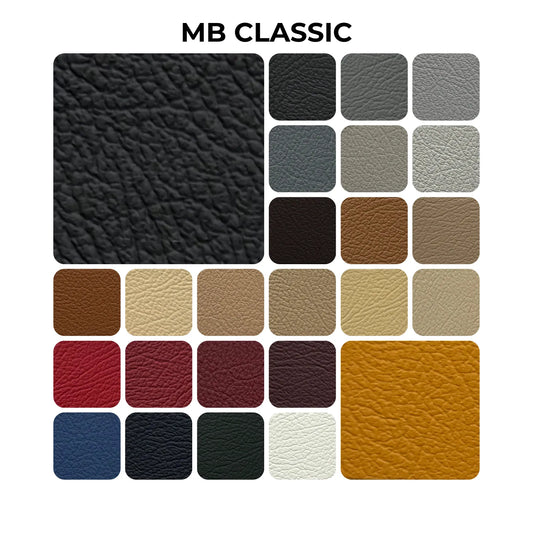
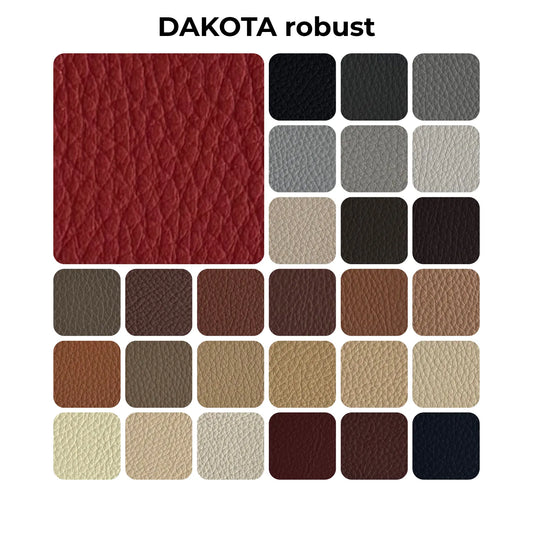
For a confident decision, we always recommend checking samples. A leather product might look "perfect" online – but still be wrong for the actual project because the feel, sheen, or color doesn't match the rest of the project.
You can order samples directly from our shop:
➜ Order leather samples (overview)
5) Related: Clothing leather & inspiration
If your focus is on fashion, design and accessories, our article on garment leather as a material base is worth reading – with a practical classification of which types of leather are particularly suitable for which purposes:
➜ Clothing leather for fashion & design: Material selection, terminology, practical application
And here you will find the right selection of leather for fashion projects:
➜ Discover clothing leather in the shop
FAQ: Frequently asked questions about leather design, color & material selection
How do I find the "right" leather color for my project?
The most reliable method: a combination of mood board and sample inspection in real light. Check leather alongside the materials that will be used later (fabric, wood, metal, interior paints).
What role does haptics play in design and fashion?
A very important factor. Haptics influence whether a product appears high-quality, sporty, or more "technical." Especially with clothing, the feel determines how it feels to wear and how it drapes.
Why does leather often look different online than in real life?
Monitor colors, camera white balance, and lighting conditions all affect perception. Furthermore, leather reacts strongly to reflections depending on its finish. Therefore, samples are the safest option.
Is embossed leather of lower quality than smooth leather?
Not a blanket statement. Embossing is a design choice and can even offer advantages depending on the application (e.g., appearance, feel, everyday usability). The important thing is that the leather is suitable for the intended use.
How can I avoid making the wrong purchase when it comes to leather?
First, define the requirements (appearance, robustness, maintenance, location) and then examine samples. This will help you avoid "wrong" surfaces or unsuitable color schemes.
Tip: Follow us on Pinterest for inspiration and material ideas: https://www.pinterest.com/lederklaushh/




Leave a comment
All comments are moderated before being published.